Why Sustainable Real Estate in the GCC Is Entering Its Acceleration Phase
Why the Gulf’s real estate sector is shifting from aspiration to execution—and what this means for developers and investors.
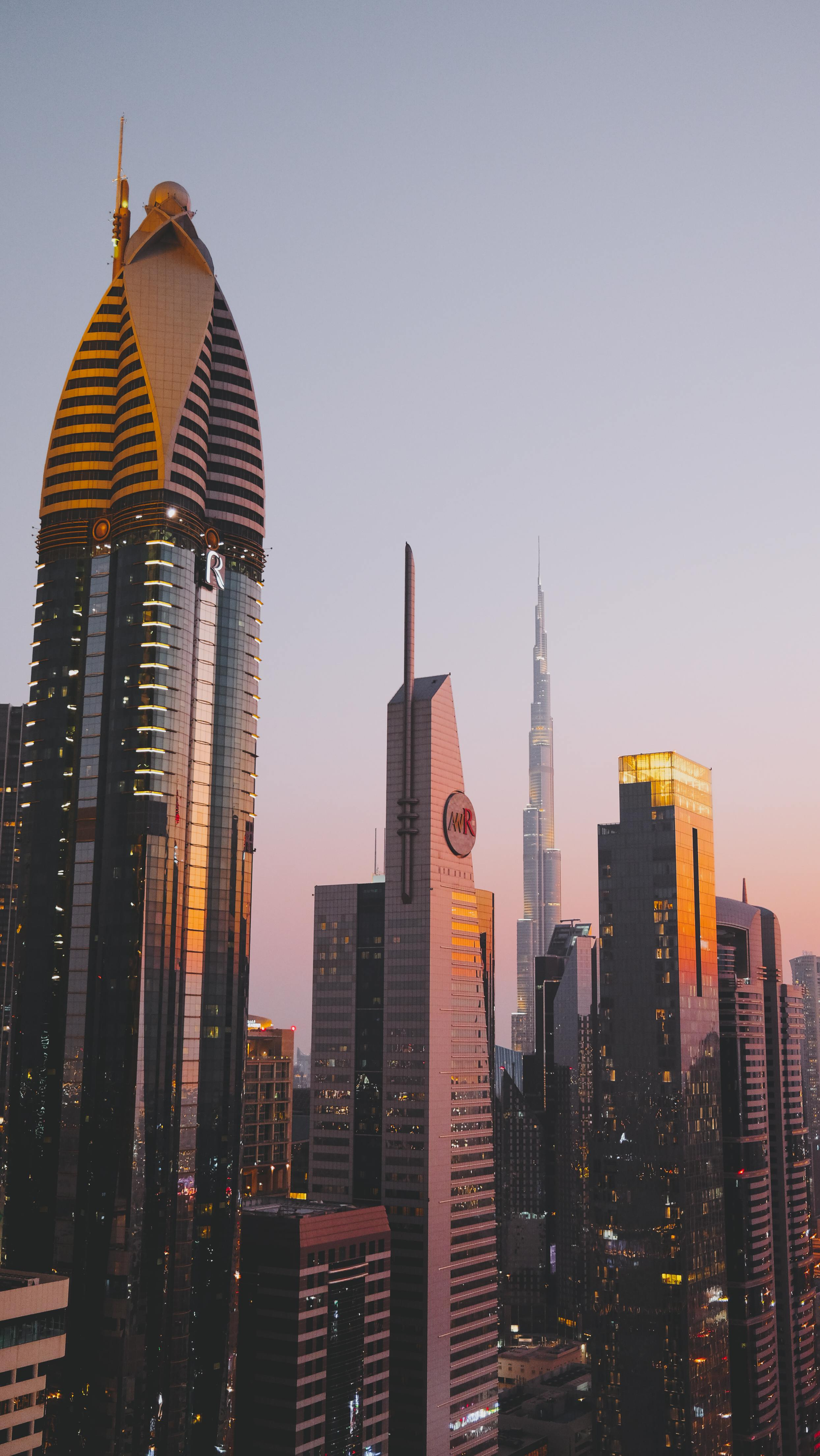
Across the Gulf region, sustainable real estate is transitioning from a niche ambition to a defining force shaping the future of cities, industries, and national competitiveness. The shift is not subtle. It is structural, regulatory, economic, and ultimately—inescapable. As an advisor trained in Europe and now building a sustainable real estate practice in the GCC, I see the convergence of several forces creating what can only be described as an “acceleration phase.”
1. National Visions Are Becoming Execution Pipelines
Every GCC country has articulated climate commitments that once seemed aspirational. Today, they translate into concrete requirements for asset owners, developers, and investors. Whether aiming for net-zero pathways, energy diversification, or improved resilience, the region is mandating measurable building performance.
This includes:
- Reduced energy intensity in new buildings
- Mandatory water optimisation
- Renewable energy integration for buildings >5,000 m²
- Enhanced indoor environmental quality
- Digital monitoring of building systems
This sets the stage for European-level energy and sustainability expertise to play a transformative role.
2. Investors Now Demand ESG Alignment—Not Labels
Global capital is flowing into the GCC at record rates, but expectations have changed. Institutional investors no longer look solely for formal certifications like LEED or BREEAM. They want real performance:
- Measured operational carbon
- Robust governance standards
- Transparent climate risk assessments
- Lifecycle cost optimisation
This shift mirrors the evolution already experienced in the EU, giving European advisors a competitive advantage. Understanding both EU taxonomy requirements and GCC frameworks creates a bridge that many local teams have yet to develop.
3. High-Performance MEP Engineering Is Now a Strategic Priority
MEP design has become the backbone of sustainable real estate in the region. Why? Because 70–80% of a building’s energy consumption comes from HVAC, lighting, and water systems—all governed by engineering decisions.
The GCC now demands:
- Low-energy HVAC
- Fresh-air systems optimised for health and comfort
- Clean-agent fire suppression for sensitive areas
- Smart electrical distribution and load balancing
- Integrated building management systems (BMS)
- Water reuse and greywater optimisation
- Renewable-ready electrical infrastructures
Engineering partners with multidisciplinary teams—spanning electrical, HVAC, sanitary, fire safety, automation, and photovoltaic design—are critical to delivering future-ready buildings.
4. Climate Conditions Demand More Than Compliance
The GCC’s environmental realities—extreme heat, humidity, dust, and water scarcity—create unique challenges. Sustainable real estate cannot simply copy European models; it must adapt them to Gulf conditions.
This requires:
- High-efficiency cooling technologies
- Hybrid VRF/heat pump systems
- Improved façade performance
- Thermal energy storage
- Water management resiliency
- Robust fire safety strategies
The buildings that succeed here are those engineered for context, not for certification alone.
5. A Growing Retrofitting Wave Will Define the Next Decade
Between 60% and 70% of the buildings that will exist in 2050 in the GCC already stand today. Many are energy-intensive, poorly ventilated, or outdated in their fire and electrical systems.
In Europe, retrofits drove significant emissions reductions over the past decade. The GCC is now entering the same phase—but with greater urgency and scale.
This includes:
- HVAC modernisation
- Electrical upgrades for increased loads
- Smart controls and BMS integration
- Energy rehabilitation of façades
- Fire system redesign
- Water-saving and recycling systems
Teams experienced in large-scale rehabilitation—across hospitality, healthcare, logistics, residential, and retail—bring enormous value.
Conclusion: Why This Moment Matters
The GCC’s real estate sector is undergoing one of the most strategic transformations in its history. Demand for sustainable solutions will not slow down—it will broaden, deepen, and intensify.
Europe has already navigated this transition. The GCC is now accelerating through it.
Advisors who understand both worlds—and who collaborate with multidisciplinary engineering partners capable of delivering complete MEP, architectural, and technical solutions—will shape the next generation of buildings across the region.
This is not just a market shift. It is an opportunity to co-create a new benchmark for sustainable real estate in some of the most ambitious cities on Earth.
Let's connect